Begin your journey to parenthood at Kanaa Fertility Clinic in Chennai with our specialized Ovulation Induction with Follicular Monitoring treatment.
Ovulation induction is a fertility treatment used to stimulate the ovaries to release eggs in women who do not ovulate regularly or predictably. It is commonly recommended for women with hormonal imbalances, irregular menstrual cycles, or ovulatory disorders such as PCOS. As one of the most frequently used fertility treatments, ovulation induction may be used on its own or combined with assisted reproductive techniques such as IUI or IVF, depending on individual fertility factors.
Ovulation induction is a medical treatment that uses fertility medications to help the ovaries produce and release one or more mature eggs during a menstrual cycle. The goal is to improve the chances of conception by restoring or enhancing ovulation.
Doctors recommend ovulation induction only after proper fertility evaluation to ensure the treatment is safe, effective, and appropriate for the patient.
Ovulation induction may be advised for women who have:
It may also be recommended as part of a combined treatment approach with IUI or IVF when medically indicated.
Ovulation induction involves the use of fertility medications that stimulate ovarian function.
These medications may include:
The type, dosage, and duration of medication are individualized based on age, hormonal levels, ovarian reserve, and response to previous treatment.
Careful monitoring is essential to optimize success and minimize risks.
In some cases, ovulation induction is combined with timed intercourse. This approach may be suitable for women with ovulatory disorders when:
This method is often considered an initial treatment step before assisted techniques.
Ovulation induction is frequently combined with IUI to improve pregnancy chances. In this approach, ovulation is stimulated and sperm is placed directly into the uterus at the optimal time.
This combination is commonly recommended for:
Cervical factors affecting conception
In IVF treatment, ovulation induction is used to stimulate the ovaries to produce multiple eggs. These eggs are retrieved, fertilized in a laboratory, and embryos are transferred into the uterus.
Ovulation induction in IVF helps:
Enhance overall success rates
Ovulation induction offers several advantages:
For many women, it serves as an effective first step in fertility care.
While ovulation induction is generally safe, potential risks include:
Doctors minimize risks through individualized treatment plans and regular monitoring
Before recommending ovulation induction, doctors evaluate:
This ensures ovulation induction is used only when medically appropriate and beneficial.
Ovulation induction may be used alone or combined with assisted fertility techniques.
The choice depends on the cause of infertility, age, and treatment history.
Kanaa Fertility Center is a leading clinic renowned for its expert team of fertility specialists and cutting-edge technology. With a high success rate in ovulation induction with follicular monitoring, Kanaa offers compassionate, comprehensive care to help couples achieve their dream of parenthood. Choose Kanaa for trusted and innovative fertility solutions.

Ovulation induction is an effective fertility treatment for women with ovulatory disorders and certain fertility conditions. When guided by accurate diagnosis and careful monitoring, it can significantly improve the chances of conception and serve as a foundation for further fertility treatment if needed. A fertility specialist can determine whether ovulation induction is the most appropriate treatment based on individual fertility evaluation and goals.
Common medicines used are:
In some cases and especially with the use of injections, we may form 2-3 follicles rather than one. This in turn may increase the possibility of multiple pregnancies.
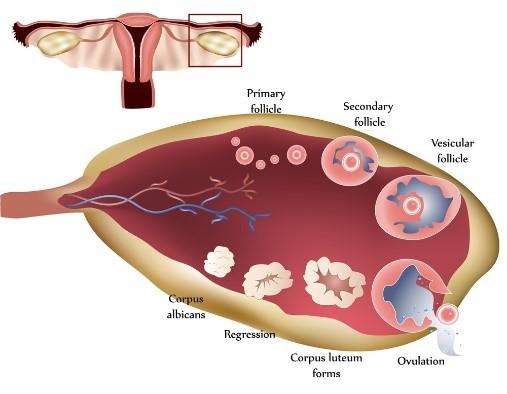
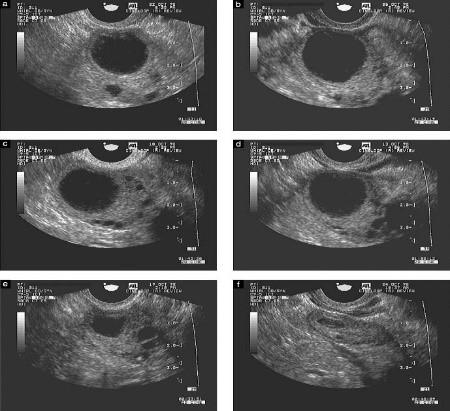
The response to stimulation is monitored by a transvaginal scan called a follicular study started on day 10 or 11 of periods and repeated once in a few days to track the growth of the follicle, ending the study with the release of the egg from the follicle.
Once the follicle reaches a certain size of a minimum of 18-20 mm, in case the egg is not released. Spontaneously, we may give an injection of hCG to allow the egg to get released.
The couple can continue with their regular sex life if they have frequent sex. In case they have sex infrequently, we advise them to have more sex around the time of follicular growth or ovulation in order to increase the chance of getting pregnant.