
Intracytoplasmic Sperm Injection at Kanaa Fertility Centre
State-of-the-Art ICSI Treatment in Chennai for Male Factor Infertility
At Kanaa Fertility Centre, we specialize in intracytoplasmic sperm injection, a highly advanced method of assisted reproduction. Our ICSI treatment is ideal for couples facing male infertility, offering precision-based fertilization by injecting a single sperm directly into a mature egg. With skilled embryologists and cutting-edge labs, we ensure high success rates in ICSI fertility cycles. Explore Intracytoplasmic Sperm Injection (ICSI) at Kanaa Fertility Clinic. Schedule your consultation today to boost your chances of conception with expert care.
ICSI (Intracytoplasmic Sperm Injection) is an advanced fertility treatment where a single sperm is injected directly into an egg to achieve fertilization. It is commonly performed as part of IVF and is recommended for severe male infertility, low sperm count, poor motility, abnormal morphology, sperm retrieval cases, or previous fertilization failure in IVF.
ICSI treatment is one of the most advanced assisted reproductive techniques used in modern fertility care. It is often recommended when sperm-related factors reduce the likelihood of natural fertilization or when previous IVF attempts did not result in fertilization.
ICSI is performed as part of an IVF treatment cycle and has helped many couples conceive even in severe male infertility cases.
This page explains what ICSI is, when it is recommended, how the procedure works step by step, what affects success, and how ICSI compares to standard IVF fertilization.
What is Intracytoplasmic sperm injection (ICSI)?
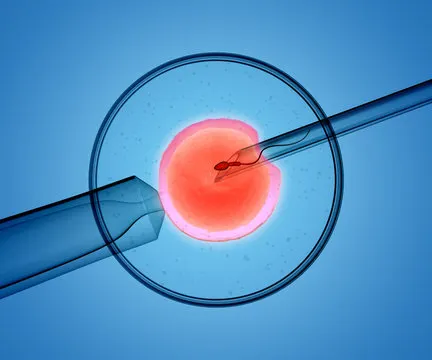
ICSI stands for Intracytoplasmic Sperm Injection. It is a laboratory technique used during IVF in which a single sperm is injected directly into a mature egg using a microscopic needle.
Unlike standard IVF fertilization (where sperm and egg are placed together in a lab dish), ICSI overcomes fertilization barriers by directly introducing the sperm into the egg
The ICSI procedure is a form of IVF where one sperm is directly inserted into the cytoplasm of an egg using micromanipulation. It bypasses multiple sperm-related challenges, making it highly effective for:
- Low sperm count or poor motility
- Abnormal sperm shape (morphology)
- Obstruction or ejaculatory dysfunction
- Previous IVF failures
This sperm injection technique allows fertilization even when very few or surgically retrieved sperms are available.

When Is ICSI Recommended?
ICSI is usually recommended in cases where fertilization is unlikely with standard IVF.
Common reasons for ICSI include:
- Low sperm count
- Poor sperm motility
- Abnormal sperm morphology
- Sperm DNA concerns (in selected cases)
- Use of frozen sperm
- Previous IVF fertilization failure
- Sperm obtained through sperm retrieval procedures
ICSI Treatment Step by Step
Step 1: IVF Cycle Preparation
ICSI is performed within an IVF cycle, so the process begins with ovarian stimulation and egg retrieval.
Step 2: Egg Retrieval
Eggs are retrieved from the ovaries under sedation and moved to the lab for fertilization
Step 3: Sperm Collection and Preparation
A semen sample is collected and prepared in the lab. If sperm is not available in the ejaculate, sperm may be collected using sperm retrieval procedure
Step 4: Sperm Injection Into the Egg
Using a specialized microscope and micro-needle, an embryologist injects a single healthy sperm directly into each mature egg.
This increases fertilization chances in cases where sperm cannot fertilize the egg naturally.
Step 5: Embryo Development
After injection, embryos are monitored as they develop. The healthiest embryos are selected for transfer or freezing.
Step 6: Embryo Transfer
A selected embryo is transferred into the uterus. Remaining embryos may be frozen for future attempts.
Benefits of ICSI Treatment
ICSI offers multiple advantages, especially in male factor infertility cases:
Helps achieve fertilization even when sperm count or motility is low
Useful when sperm is surgically retrieved
Improves fertilization rates after previous IVF failures
Makes IVF possible in severe male infertility cases
ICSI is considered a major breakthrough in fertility medicine.
What Affects ICSI Success Rates?
ICSI success rates depend on more than just sperm quality. Key factors include:
Egg quality
Egg quality strongly affects fertilization and embryo development. Age and ovarian reserve play a major role.
Ovarian reserve
Tests like the AMH test help assess ovarian reserve and predict response to ovarian stimulation.
Embryo quality
Even with successful fertilization, embryo development and implantation are key for pregnancy.
Uterine factors
Healthy uterine lining and implantation conditions also affect success.
ICSI vs IVF: What Is the Difference?
ICSI is not a replacement for IVF it is part of IVF. The main difference is the fertilization method:
IVF (standard fertilization)
- Eggs and sperm are placed together in the lab
- Fertilization occurs naturally
ICSI
- A single sperm is injected into the egg
- Used when fertilization is unlikely naturally
Doctors recommend ICSI only when medically appropriate.
Is ICSI Safe?
ICSI is widely used and generally considered safe. Like all fertility procedures, it should be performed by experienced specialists and an embryology team under strict lab conditions. ICSI may slightly increase the need for genetic counselling in certain male factor conditions, especially when infertility has a genetic cause.
Who Should Consider ICSI Early?
Doctors may recommend early ICSI when:
- Semen analysis shows severe abnormalities
- Sperm retrieval is required
- Previous IVF fertilization failed
- Male infertility has been long-standing or complex
In these cases, ICSI improves fertilization chances and reduces cycle cancellation risk.
Why Intracytoplasmic Sperm Injection (ICSI)?
- When a man's sperm fails to fertilize an egg even after IVF, a unique method called Intracytoplasmic Sperm Injection (ICSI) is employed.
- This technique enhances the couple's likelihood of conceiving.
- Infertility in men, due to a low sperm count, poor sperm movement, absence of sperm, erectile dysfunction, or infertility with an unknown cause, can be addressed with this method.
- Doctors often resort to ICSI when male infertility issues hinder a couple's chances of having a baby.
ICSI Procedure at Kanaa
Our internationally benchmarked ICSI procedure includes:
- Ovarian Stimulation – Hormonal injections to produce multiple eggs
- Egg Retrieval – Performed under sedation
- Sperm Preparation – From ejaculate or through surgical methods (TESA, TESE)
- Sperm Injection – Direct sperm injection into each mature egg
- Embryo Culture – Monitoring growth of fertilized IVF embryo in our lab
- Embryo Transfer – Transferring top-quality embryos into the uterus
Advantages of ICSI Fertility Treatment
- Enables fertilization in extreme male infertility cases
- Increases chance of a successful ICSI pregnancy
- Works well with frozen or donor sperm
- Effective when only a single healthy sperm is available
- Ideal for couples with unexplained infertility
Common Questions About ICSI
Is ICSI painful?
No. ICSI is performed in the lab. The patient undergoes egg retrieval as part of IVF, which is done under sedation.
Can ICSI guarantee pregnancy?
No. ICSI improves fertilization rates but pregnancy depends on embryo quality, uterine factors, and overall reproductive health.
Is ICSI only for male infertility?
ICSI is mainly used for male infertility, but it may also be recommended after failed fertilization in IVF or when eggs are limited.
Does ICSI improve IVF success rate?
ICSI improves fertilization rates in suitable cases, but overall pregnancy success depends on many factors.
Conclusion
ICSI treatment is an advanced technique performed during IVF that helps achieve fertilization even in cases of severe male infertility or previous fertilization failure. By injecting a single sperm directly into the egg, ICSI improves fertilization rates and makes pregnancy possible for many couples who may otherwise struggle with conventional fertilization methods. A fertility specialist can determine whether ICSI is needed based on semen analysis results, treatment history, and overall fertility evaluation.
Experienced Fertility Clinic in Chennai for ICSI
Kanaa Fertility Center is a leading clinic renowned for its expert team of fertility specialists and cutting-edge technology. With a high success rate in ICSI Treatment Kanaa offers compassionate, comprehensive care to help couples achieve their dream of parenthood. Choose Kanaa for trusted and innovative fertility solutions.
ICSI Treatment Steps in Chennai
Step 1
Step 2
Step 3
Step 4
Why Choose Kanaa Fertility Centre for ICSI in Chennai?
- Highly trained embryologists in microinjection techniques
- Precision tools for safe and successful ICSI procedure
- Personalized hormonal and fertility support
- Transparent success rates for ICSI fertility outcomes
- Emotional support and guidance throughout your journey
Book Your ICSI Consultation Today
If you’re considering intracytoplasmic sperm injection, our team at Kanaa Fertility Centre is here to help. Whether you’re struggling with male infertility or curious about the difference between IVF and ICSI, we provide expert guidance and compassionate care every step of the way.
📍 Schedule your appointment today for advanced ICSI treatment and take the next step toward a successful ICSI pregnancy.
FAQs
When is ICSI Treatment recommended?
ICSI is likely to be recommended in the following circumstances;
- When the man has a very low sperm count.
- A high percentage of abnormally shaped or slow sperm
- Previous vasectomy.
- A need to use frozen sperm that is not of the best quality.
- Problems with getting an erection and ejaculating.
- A complete absence of sperm in the ejaculate due to obstruction or defective sperm production
- cancer patients with semen samples frozen before treatment.
- Severely decreased sperm motility, including totally immotile sperm.
How does ICSI Treatment work?
Fertilization occurs when one of the sperm enters the egg’s cytoplasm. In the ICSI process, a tiny needle, called a micropipette, is used to inject a single sperm into the center of the egg. With either traditional IVF or ICSI, once fertilization occurs, the fertilized egg (now called an embryo) grows in a laboratory for 1 to 5 days before it is transferred to the woman’s uterus (womb).
How long does the ICSI Treatment process take?
Once retrieved the semen sample is washed and a single sperm is isolated. This is then injected into an egg with a very fine hollow needle. Since the sperm is injected directly, it bypasses the need to swim through the cervical fluid. It can take sperm up to 24 hours to fertilize an egg and create an embryo.
How many sperms are needed for ICSI Treatment?
Very few sperms are sufficient as we use one sperm for one egg.
What is the disadvantage of ICSI Treatment?
It is an expensive procedure requiring the use of specialised equipment.
How many hours after ICSI Treatment does fertilization occur?
Approximately 17-18 hours. The egg is placed back into the incubator. Fertilization occurs in 4-6 hours in humans but there are no visible signs until approximately 17-18 hours later. The first sign that fertilization has occurred visibly is the development of two round bodies in the center of the egg.