

Introduction
How can I avoid pregnancy naturally? You can avoid pregnancy naturally by using Fertility Awareness-Based Methods (FABMs) to identify your “fertile window.” By tracking daily signals such as Basal Body Temperature (BBT) and Cervical Mucus changes, you can determine the 6–7 days each month when conception is possible. When practiced with the Symptothermal Method, natural family planning has a perfect-use effectiveness rate of up to 99%
From the quiet lanes of Adyar to the bustling tech hubs of Taramani, women in Chennai are increasingly seeking a more holistic approach to reproductive health. While hormonal contraceptives (the pill, injections, or implants) are effective, many women are concerned about long-term side effects such as hormonal imbalances, weight gain, or mood shifts.
At Kanaa Fertility, we believe that every woman should be the master of her own biology. Whether you are spacing out your children or looking for a hormone-free lifestyle, Natural Family Planning (NFP) offers a scientifically grounded path. This guide provides a deep dive into how you can use your body’s own bio-signals to prevent pregnancy without synthetic intervention.
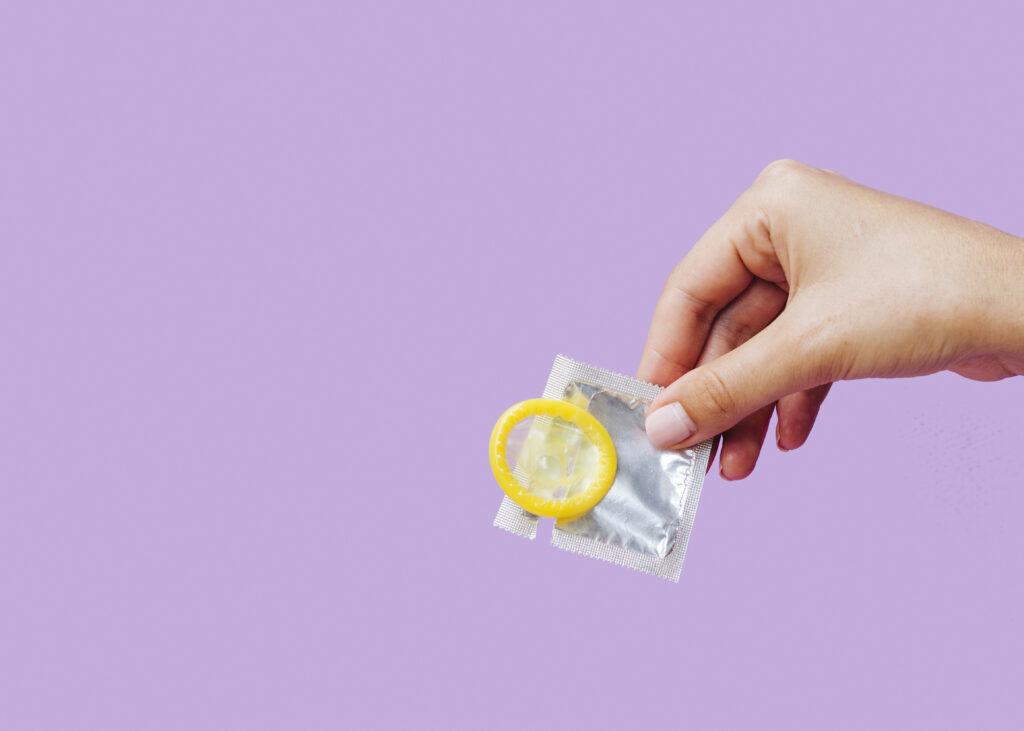
The Science of the "Fertile Window"
To successfully avoid pregnancy naturally, you must understand the “Biological Clock” of a single menstrual cycle. Many believe they can get pregnant on any day of the month this is a myth.
The Math of Conception
- The Egg (Ovum): After being released from the ovary, the egg survives for only 12 to 24 hours. If it isn’t fertilized in this window, it dissolves.
- The Sperm: In a healthy environment with fertile cervical mucus, sperm can survive inside the woman for up to 5 days.
- The Safe Zone: Because sperm lasts 5 days and the egg lasts 1 day, there is a 6-day fertile window. Outside of these days, pregnancy is biologically impossible.

The Symptothermal Method: Your 3-Point Checklist
The “Symptothermal Method” is considered the gold standard of NFP because it cross-references three different signs to ensure accuracy.
Pillar 1: Basal Body Temperature (BBT)
Your BBT is your body’s temperature when you are at complete rest.
- The Shift: After ovulation, your body releases Progesterone, which causes your resting temperature to rise by about.
- How to Track: You must use a Basal Thermometer (available in Chennai pharmacies like Apollo or MedPlus). It is more sensitive than a standard fever thermometer. Take your temperature every morning before you get out of bed, eat, or drink.
- The Rule: You are considered “safe” (infertile) once you have recorded 3 consecutive days of high temperatures following 6 days of lower temperatures.
Pillar 2: Cervical Mucus Monitoring (The Billings Method)
Your cervix produces fluid that changes in response to Estrogen.
- Infertile Days: Right after your period, you may feel “dry.” This is a safe time.
- Approaching Ovulation: Mucus becomes cloudy, sticky, or creamy.
- Peak Fertility: Mucus becomes clear, slippery, and stretchy like raw egg whites. This is the most dangerous time for those avoiding pregnancy.
- The Rule: Avoid unprotected intercourse from the first sign of wetness until 4 days after your “Peak” (the last day of egg-white mucus).
Pillar 3: Cervical Position (Optional)
During your fertile window, your cervix undergoes the “SHOW” changes: Soft, High, Open, and Wet. When you are infertile, the cervix feels low, firm (like the tip of your nose), and tightly closed.
Advanced Methods: The Marquette Model and Standard Days
For those who want extra data, modern technology can help:
- The Marquette Model: This uses a handheld monitor (like Clearblue) to measure Estrogen and LH levels in your urine. It provides a “High” or “Peak” reading, removing the guesswork of mucus observation.
- The Standard Days Method (CycleBeads): This is best for women with very regular cycles (26–32 days). It identifies days 8 through 19 as the fertile window for everyone in that cycle range.

Effectiveness: Breaking the Myths
A common misconception in India is that natural methods are just “guessing.” This is false. When we look at Perfect Use vs. Typical Use, NFP performs surprisingly well compared to artificial methods:
Method | Perfect Use (Success) | Typical Use (Success) |
Symptothermal Method | 99% | 90% |
Male Condom | 98% | 82% |
Oral Contraceptive Pill | 99.7% | 91% |
Copper T (IUD) | 99.2% | 99% |
Note: Typical use failure usually happens when couples “take a chance” during the fertile window without a barrier.

Living in Chennai: Local Factors Affecting Your Cycle
Chennai’s unique environment can actually impact your fertility signals. Here is how to navigate them:
The Heat Factor
Dehydration is common during Chennai’s humid summers. Dehydration can reduce the amount of cervical mucus, making it harder to read your signs.
Pro-Tip: Ensure you drink at least 3 liters of water daily to maintain clear biological signals.
IT & Shift Work (The OMR/Taramani Challenge)
If you work night shifts or have irregular sleep, your BBT may be unreliable. Temperature tracking requires at least 3–4 hours of continuous sleep. If your sleep is disrupted, focus more heavily on Cervical Mucus and Cervical Position.
Stress and Traditional Diets
High-stress levels from city life can delay ovulation. Conversely, a diet rich in healthy fats and antioxidants (common in traditional South Indian meals like those including drumsticks, lentils, and fresh coconut) can actually improve the clarity of your fertility signals.
Who Should Avoid Natural Family Planning?
NFP is a skill, and like any skill, it isn’t for everyone. You may want to consider other options if:
- Irregular Cycles: If you have PCOS or thyroid issues, your ovulation may be unpredictable.
- Recent Childbirth: If you have just delivered a baby in Chennai and your periods haven’t returned, your signs can be confusing.
- Medical Risks: If a pregnancy would be life-threatening to you, the higher “Typical Use” failure rate of NFP might be too risky.
Transitioning from Hormonal Birth Control
If you are currently on the “Pill” and want to switch to NFP, your body needs a “washout” period. It can take 3 to 6 months for your natural hormones to regulate. During this time, your charts may look erratic. We recommend using condoms during this transition phase while you learn your body’s new patterns.
Frequently Asked Questions (FAQ)
Q: Can I use an app instead of a paper chart?
A: Yes, but be careful. Apps like Natural Cycles or Kindara are great for storing data, but never rely on an app that “predicts” your period based only on your last cycle date. You must input your BBT and Mucus daily for it to be an NFP tool.
Q: Is the “Withdrawal Method” (Pulling Out) part of NFP?
A: No. Withdrawal is a behavioral method with a high failure rate because pre-ejaculate can contain sperm. NFP is about avoiding contact entirely during the fertile window.
Q: Where can I buy a Basal Thermometer in Chennai?
A: Most large pharmacies in Mylapore, T Nagar, or Velachery carry them. You can also find them on Amazon India by searching for “Digital Basal Thermometer 1/100th degree.”
How Kanaa Fertility Can Help
Mastering NFP on your own can be intimidating. At Kanaa Fertility, our specialists at our Mylapore and KK Nagar clinics offer “Fertility Awareness Consultations.” We help you:
- Identify your unique mucus patterns.
- Troubleshoot “messy” temperature charts.
- Assess your hormonal health to ensure your cycles are “ovulatory” and healthy.
Conclusion: Empowerment Through Awareness
Natural Family Planning is more than just a way to avoid pregnancy; it is a deep conversation with your body. By tracking your cycle, you gain insights into your thyroid health, stress levels, and overall hormonal balance.
Whether your goal is to prevent pregnancy naturally or to prepare your body for a healthy conception in the future, understanding your fertile window is the most powerful tool you have.
Medical Disclaimer
This content is educational and not a substitute for personalized medical advice. If you have irregular cycles, pain, or concerns about ovulation, consult a qualified clinician. For tailored guidance in Mylapore or K. K. Nagar, contact Kanaa Fertility Centre.