

Introduction
Low AMH indicates reduced ovarian reserve, but it does not mean pregnancy is impossible. Many women with low AMH conceive with IVF using their own eggs, while others may benefit from options such as modified IVF protocols, fertility preservation, or donor egg treatment. The best option depends on age, egg quality, fertility test results, and individual reproductive goals.
Receiving a low AMH result can feel overwhelming. Many women immediately fear that IVF will not work or that pregnancy is no longer possible. However, AMH is only one part of the fertility picture and low AMH does not automatically mean the end of your fertility journey.
Modern fertility care offers several pathways for women with low AMH, including tailored IVF approaches and alternative options when needed. The key is understanding what low AMH really means and how doctors use it to guide treatment—not limit hope.
This guide explains how low AMH affects IVF, what realistic options exist, and how fertility specialists help patients choose the safest and most effective path forward.
What Does Low AMH Mean?
AMH (Anti-Müllerian Hormone) reflects ovarian reserve, or the estimated number of eggs remaining in the ovaries.
Low AMH generally suggests:
- Fewer eggs available
- Reduced response to ovarian stimulation
- A need for time-sensitive fertility planning
What it does not tell you:
Whether you can ovulate
Whether your eggs are genetically normal
Whether pregnancy is impossible
Doctors always interpret AMH alongside age, ultrasound findings, and other fertility tests.
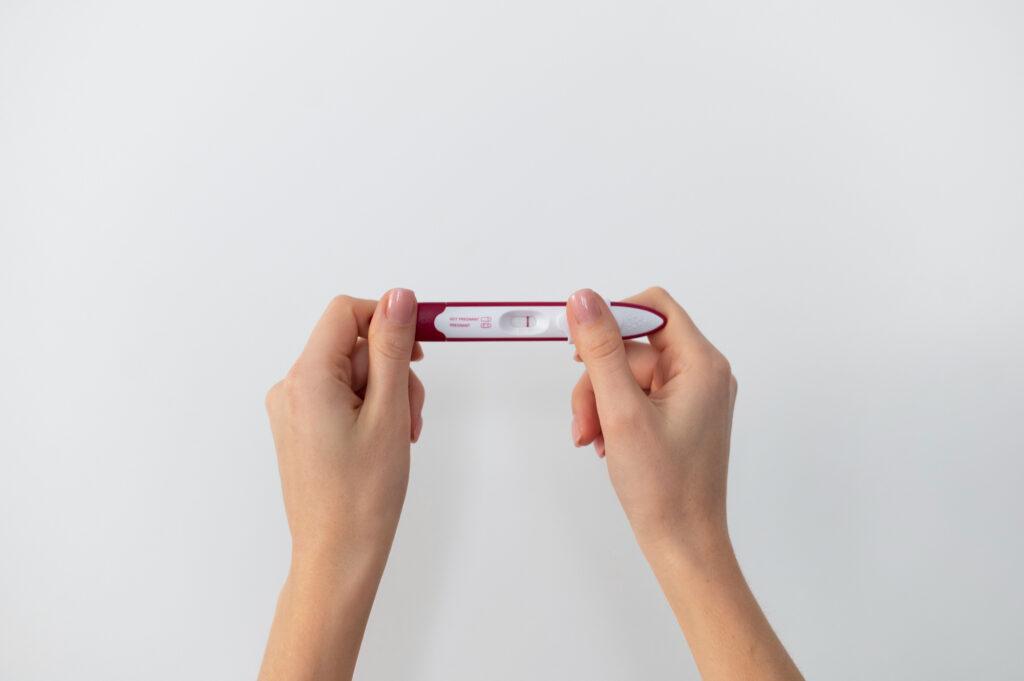
Can IVF Work with Low AMH?
Yes IVF can still work for many women with low AMH.
IVF is often recommended because:
- Even a small number of eggs can lead to pregnancy
- Embryos can be carefully selected
- Fertilization and timing are fully controlled
Success depends on:
- Age at egg retrieval
- Egg quality (closely linked to age)
- Individual response to stimulation
Many women with low AMH achieve pregnancy with IVF using their own eggs, especially when treatment is planned early and thoughtfully.

Why IVF Is Often Recommended for Low AMH
Compared to IUI or natural attempts, IVF offers advantages in low AMH cases:
Maximises use of available eggs
Avoids repeated unsuccessful cycles
Allows embryo freezing for future attempts
Enables customised stimulation protocols
In contrast, treatments like IUI may not be effective if egg numbers are very limited.
IVF Options When AMH Is Low
There is no single IVF approach for low AMH. Doctors personalise treatment based on multiple factors.
Option 1: IVF with Own Eggs
Many women try IVF using their own eggs first, especially when:
- Age is on the younger side
- Ovulation is regular
- Ultrasound shows some follicle activity
Doctors may use:
- Lower or modified stimulation protocols
- Careful cycle monitoring
- Individualised medication plans
The goal is quality over quantity.
Option 2: IVF with Embryo Freezing
When embryos are created, doctors may recommend embryo freezing to:
- Preserve embryos for future attempts
- Reduce the need for repeated stimulation
- Allow flexibility in transfer timing
Option 3: Frozen Embryo Transfer (FET)
Some patients benefit from separating embryo creation and transfer. Frozen embryo transfer allows:
- Better uterine preparation
- Reduced physical strain
- Flexible planning
Option 4: Donor Egg IVF
When ovarian reserve and egg quality are significantly compromised, donor egg treatment may be recommended.
Donor egg IVF:
- Uses eggs from a young, screened donor
- Often offers higher success rates
- Allows the recipient to carry the pregnancy
This option is discussed only when medically appropriate and after thorough counselling.
How Doctors Decide the Best Option
Fertility specialists consider:
- Age (very important)
- AMH level
- Antral follicle count (ultrasound)
- Previous treatment response
- Overall health and reproductive goals
Low AMH alone does not determine the outcome it helps guide the timeline and strategy.
Common Myths About Low AMH and IVF
Myth: Low AMH means IVF will fail
Truth: Many women with low AMH conceive with IVF.
Myth: Donor egg is the only option
Truth: Many patients try IVF with their own eggs first.
Myth: AMH predicts egg quality
Truth: Egg quality is more closely linked to age.

Can Low AMH Be Improved?
AMH reflects ovarian reserve and cannot be significantly increased.
However, doctors focus on:
- Optimising treatment protocols
- Supporting overall reproductive health
- Avoiding unnecessary treatment delays
Lifestyle changes support health but do not replace medical planning.
Emotional Support Matters
Low AMH often brings emotional stress, urgency, and fear. Many patients benefit from:
- Clear medical explanations
- Counselling support
- Step-by-step treatment planning
Feeling informed and supported can make the journey far more manageable.
Frequently Asked Questions
Can I get pregnant naturally with low AMH?
Some women do conceive naturally, especially if they are younger and ovulating regularly.
Should I skip IUI and go directly to IVF?
Doctors often recommend IVF earlier in low AMH cases because time and egg numbers matter.
Does low AMH mean early menopause?
Not necessarily. AMH does not accurately predict when menopause will occur.
Is donor egg the last option?
Donor egg is one of several options and is considered only when medically appropriate.
Conclusion
Low AMH does not mean the end of your fertility journey. It means that planning needs to be personalised, informed, and often time-sensitive. IVF with your own eggs, embryo freezing, frozen embryo transfer, or donor egg treatment are all real options depending on age, test results, and individual goals.
A fertility specialist can help interpret AMH results accurately, explain realistic expectations, and guide you toward the option that aligns best with your medical needs and reproductive plans.
Medical Disclaimer
This content is educational and not a substitute for personalized medical advice. If you have irregular cycles, pain, or concerns about ovulation, consult a qualified clinician. For tailored guidance in Mylapore or K. K. Nagar, contact Kanaa Fertility Centre.