

Introduction
Sperm health can be improved naturally by adopting a healthy lifestyle maintaining a healthy weight, eating a nutrient-rich diet, avoiding smoking and excessive alcohol, managing stress, improving sleep, and reducing heat exposure to the testicles. Doctors often recommend semen analysis and fertility testing to identify the cause of male infertility and guide treatment options such as IUI, IVF, or ICSI if needed.
Male fertility plays a major role in conception, and sperm health affects not only the chances of natural pregnancy but also the outcomes of treatments like IUI, IVF, and ICSI. Many couples assume infertility is mainly a female issue, but male factors contribute significantly to fertility challenges.
The good news is that sperm health can sometimes improve with lifestyle changes especially when supported by medical evaluation and early testing.
This guide explains what sperm health means, what factors affect sperm quality, and practical, evidence-based ways to improve sperm count, motility, and overall semen quality naturally before fertility treatment.
What Does “Sperm Health” Mean?
Sperm health refers to key characteristics that affect the ability of sperm to fertilize an egg.
Doctors evaluate sperm health through semen analysis, which measures:
- Sperm count (how many sperm are present)
- Motility (how well sperm move)
- Morphology (sperm shape)
- Semen volume and consistency
Healthy sperm improves chances of natural conception and may increase success rates with assisted treatments.
When Should You Focus on Improving Sperm Health?
You should consider focusing on sperm health if:
- Pregnancy hasn’t occurred after 12 months of trying
- The woman is over 35 and pregnancy hasn’t occurred after 6 months
- There is a history of smoking, alcohol use, or chronic stress
- Semen analysis results show abnormalities
- You are planning fertility treatments such as IUI or IVF
A medical evaluation helps identify underlying causes and ensures improvements are targeted effectively.
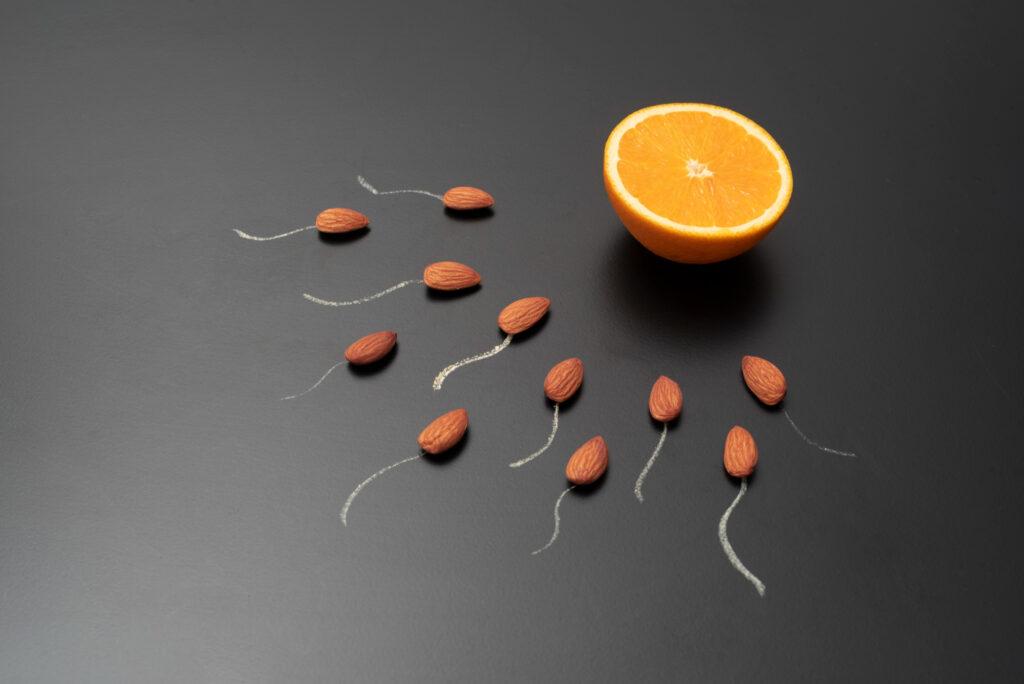
Top Natural Ways to Improve Sperm Health
Below are doctor-approved strategies that support sperm production and overall reproductive health.
1. Improve Diet for Better Sperm Health
Nutrition plays a significant role in sperm development. A balanced diet may support sperm count and motility by improving hormone balance and reducing oxidative stress.
Foods that support sperm health include:
- Fruits and vegetables (antioxidants)
- Nuts and seeds (healthy fats + minerals)
- Whole grains (energy + hormone support)
- Eggs, fish, and lean proteins
- Dairy and fermented foods in moderation
A diet rich in antioxidants helps protect sperm from oxidative damage, which is linked to low motility and poor morphology.
2. Maintain a Healthy Weight
Being overweight or underweight may affect testosterone levels and sperm production. Healthy body weight supports:
- Hormonal balance
- Better sperm count
- Improved semen parameters
Even moderate weight improvements may support reproductive health.
3. Exercise Regularly (But Avoid Overtraining)
Moderate physical activity supports testosterone balance and blood circulation.
Good options:
- Walking
- Strength training
- Cycling (in moderation)
- Yoga
- Swimming
Overtraining or extreme exercise may reduce testosterone and negatively affect sperm production.
4. Quit Smoking (Highly Important)
Smoking is strongly linked to reduced sperm quality, including:
- Lower sperm count
- Reduced motility
- Increased DNA fragmentation
- Poor morphology
Stopping smoking is one of the most impactful steps for improving semen quality.
5. Limit Alcohol Consumption
Excessive alcohol can reduce testosterone levels and impact sperm production. Reducing alcohol intake may improve:
- Hormonal health
- Semen quality
- Overall fertility potential
6. Reduce Stress and Improve Mental Health
Chronic stress increases cortisol and can negatively affect hormone balance.
Ways to manage stress:
- Regular movement or yoga
- Sleep improvement
- Mindfulness
- Counselling
- Reduced work overload when possible
Stress reduction supports overall health and may improve sexual function and fertility outcomes.
7. Improve Sleep Quality
Sleep supports testosterone production and healthy sperm development.
Aim for:
- 7–8 hours of sleep
- Consistent bedtime
- Reduced screen time before sleep
- Healthy sleep environment
Poor sleep is linked to reduced sperm count and hormone imbalance.
8. Avoid Heat Exposure to the Testicles
Sperm production is temperature-sensitive. Excess heat can reduce sperm count and motility.
Avoid:
- Hot baths and saunas frequently
- Tight underwear
- Laptop directly on lap
- Prolonged sitting without breaks
Small changes in heat exposure can support healthier sperm production.
9. Reduce Exposure to Toxins and Environmental Chemicals
Certain chemicals and toxins may affect sperm quality, including:
- Pesticides
- Heavy metals
- Industrial chemicals
- Excessive pollution exposure
When possible:
- Use protective gear in workplaces
- Wash produce properly
- Avoid unnecessary chemical exposure
10. Review Medications and Supplements With a Doctor
Certain medications may impact sperm production or motility. Never stop medication without medical guidance, but speak to a specialist if concerned.
A fertility specialist can also guide safe supplement recommendations based on semen analysis results.
How Long Does It Take to Improve Sperm Health Naturally?
Sperm development takes approximately 2–3 months. That means improvements from lifestyle changes are usually seen after several weeks to a few months.
Many doctors recommend repeating semen analysis after lifestyle changes to track progress.
When Natural Improvements May Not Be Enough
Sometimes lifestyle changes are not enough because male infertility may be caused by:
- Hormonal disorders
- Varicocele
- Genetic factors
- Severe sperm abnormalities
- Obstruction or ejaculation issues
In such cases, fertility treatments may be recommended.
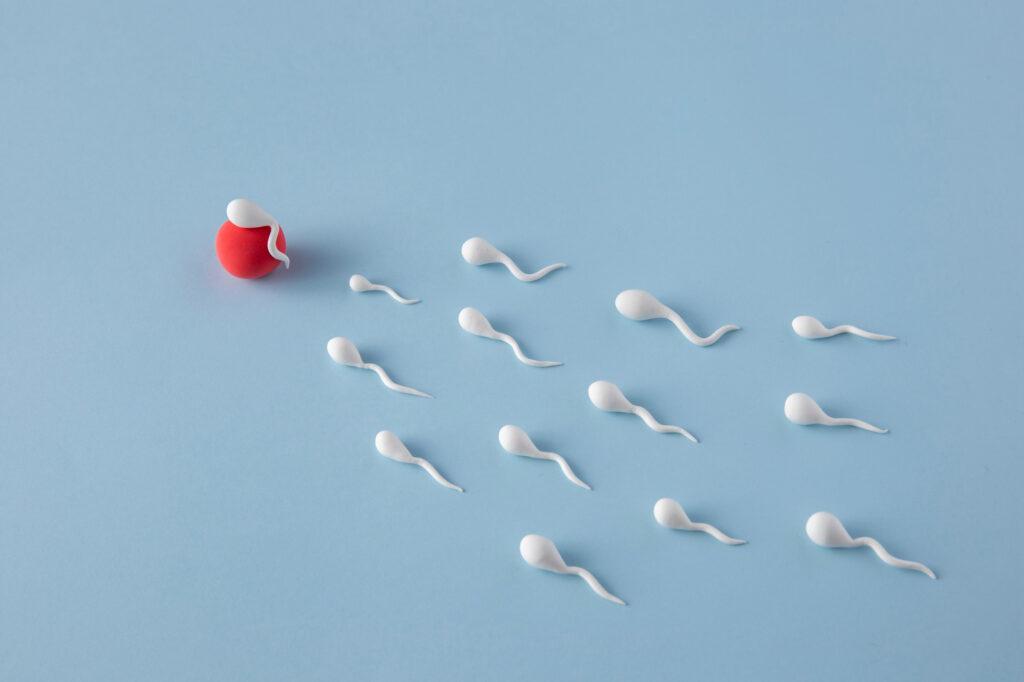

How Male Fertility Treatments Help When Needed
Depending on semen analysis and fertility diagnosis, doctors may recommend:
IUI Treatment
IUI may help in mild male infertility because sperm is processed and placed directly in the uterus.
IVF Treatment
IVF is often used for moderate to severe male infertility when fertilization needs more support.
ICSI Treatment
ICSI is commonly recommended for severe male infertility. A single sperm is injected directly into an egg during IVF to improve fertilization.
Common Questions About IUI Success Rate
Can sperm count improve naturally?
Yes, sperm count may improve with lifestyle changes such as quitting smoking, improving diet, managing weight, and reducing heat exposure.
What are the best foods for sperm health?
Foods rich in antioxidants, healthy fats, and minerals—such as fruits, vegetables, nuts, seeds, eggs, and fish—support sperm health.
How can I increase sperm motility naturally?
Improving diet, exercising moderately, reducing stress, and avoiding smoking and excessive alcohol may support better motility.
Should men do semen analysis before fertility treatment?
Yes. Semen analysis helps identify male factor infertility early and guides treatment planning.
Conclusion
The AMH test is an important tool in fertility evaluation because it helps estimate ovarian reserve and guides fertility treatment planning. Low AMH can indicate reduced egg reserve, but it does not mean pregnancy is impossible. Doctors interpret AMH results alongside age, ultrasound findings, and other fertility tests to recommend appropriate options such as ovulation induction, IUI, IVF, or fertility preservation like egg freezing.
A fertility specialist can help you understand your AMH result, explain what it means for your personal fertility goals, and recommend a treatment plan that is safe, evidence-based, and time-sensitive when needed
Medical Disclaimer
This content is educational and not a substitute for personalized medical advice. If you have irregular cycles, pain, or concerns about ovulation, consult a qualified clinician. For tailored guidance in Mylapore or K. K. Nagar, contact Kanaa Fertility Centre.