
Introduction
Frozen embryo transfer (FET) success depends on embryo quality, uterine lining health, hormone balance, timing of transfer, and overall reproductive health. Optimising these factors through proper evaluation, personalised protocols, and lifestyle support can improve implantation chances and pregnancy outcomes.
Frozen Embryo Transfer (FET) has become a key part of modern fertility treatment. With advances in embryo freezing techniques, many IVF cycles now involve freezing embryos first and transferring them later under optimal conditions.
Couples often ask:
“What really improves frozen embryo transfer success?”
While no treatment can guarantee pregnancy, understanding the factors that influence implantation can help couples prepare better and make informed decisions.
This guide explains how frozen embryo transfer works, what affects success rates, and what patients can do medically and lifestyle wise to improve implantation chances.
What Is Frozen Embryo Transfer (FET)?
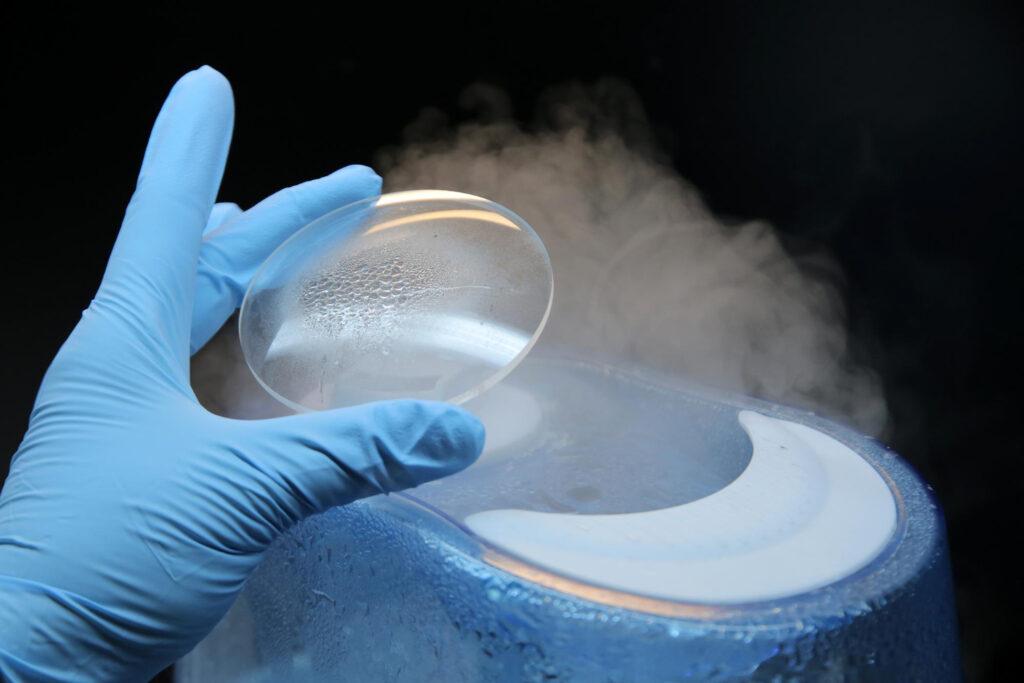
Frozen embryo transfer is a fertility procedure in which an embryo created during IVF treatment is frozen, stored, and later thawed for transfer into the uterus.
FET allows doctors to:
- Separate embryo creation from embryo transfer
- Prepare the uterus optimally
Reduce physical and hormonal strain
Why Many IVF Cycles Use Frozen Embryo Transfer
FET is increasingly preferred because it offers several advantages:
Better uterine preparation
Flexible timing
Reduced ovarian hyperstimulation risk
Comparable or improved pregnancy outcomes in many cases
Doctors may recommend FET routinely or based on individual medical factors.
What Affects Frozen Embryo Transfer Success?
FET success depends on a combination of embryo, uterine, hormonal, and patient-specific factors.
1. Embryo Quality
Embryo quality is one of the most important factors influencing implantation.
High-quality embryos:
- Develop normally in the lab
- Survive freezing and thawing well
- Have better implantation potential
Embryo quality depends on:
- Egg quality
- Sperm quality
- Laboratory conditions
2. Uterine Lining (Endometrial Thickness and Health)
A healthy uterine lining is essential for implantation.
Doctors assess:
- Thickness of the lining
- Pattern and blood flow
- Absence of polyps or fibroids
An optimal uterine lining improves the chances of embryo attachment.
3. Hormonal Balance
Hormones play a critical role in preparing the uterus for implantation.
FET cycles may be:
- Natural (using the body’s hormones), or
- Medicated (using estrogen and progesterone)
Doctors choose the approach based on ovulation patterns and medical history.
4. Timing of Embryo Transfer
Precise timing between embryo development and uterine receptivity is crucial.
Doctors carefully plan:
- Progesterone start date
- Day of embryo transfer
- Embryo age (day 3 or blastocyst)
Accurate timing improves implantation synchrony.
5. Underlying Uterine Conditions
Conditions that may affect implantation include:
- Fibroids
- Polyps
- Adhesions
- Chronic inflammation
These are evaluated and treated before FET when necessary.
6. Age and Egg Quality
While FET itself is not age-dependent, egg quality (age at egg retrieval) strongly influences embryo quality and success rates.
This is why freezing embryos earlier can be beneficial.
Medical Steps That Improve FET Success
Doctors may recommend additional steps to optimise outcomes.
Uterine Evaluation Before Transfer
Tests such as ultrasound or hysteroscopy help ensure the uterus is ready for implantation.
Personalised FET Protocol
Doctors customise:
- Hormone doses
- Cycle timing
- Transfer approach
There is no “one-size-fits-all” FET protocol.
Managing Medical Conditions
Conditions such as thyroid disorders, diabetes, or PCOS are managed before FET to support implantation.
Lifestyle Factors That Support Implantation
While lifestyle changes cannot guarantee success, they support overall reproductive health.
Helpful habits include:
- Balanced nutrition
- Adequate sleep
- Stress management
- Avoiding smoking and excessive alcohol
- Maintaining a healthy weight
Lifestyle optimisation complements medical treatment.
What Does NOT Improve FET Success
It’s important to avoid misinformation.
Bed rest after transfer (normal activity is usually fine)
Excessive supplements without medical advice
Repeated unnecessary tests
Self-medication
Always follow your fertility specialist’s guidance.

Frozen Embryo Transfer vs Fresh Embryo Transfer
|
Aspect |
Fresh Transfer |
Frozen Transfer |
|
Timing |
Same IVF cycle |
Later cycle |
|
Uterine preparation |
Limited |
Optimised |
|
Hormonal strain |
Higher |
Lower |
|
Flexibility |
Less |
More |
Doctors recommend the most appropriate option based on individual needs.
When Frozen Embryo Transfer Is Especially Helpful
FET may be preferred when:
- Hormone levels are high after stimulation
- There is a risk of OHSS
- Uterine lining needs optimisation
- Genetic testing is performed
Scheduling flexibility is required
Emotional Well-Being During FET
The waiting period after embryo transfer can be emotionally challenging. Many couples benefit from:
- Clear expectations
- Emotional support
- Counselling or mindfulness practices
Mental well-being is an important part of fertility care.
Frequently Asked Questions
Does frozen embryo transfer have better success than fresh transfer?
In many cases, success rates are similar or slightly higher with frozen transfer due to better uterine preparation.
How long after embryo freezing can FET be done?
FET can be done months or even years later, depending on medical and personal planning.
Is frozen embryo transfer painful?
No. Embryo transfer is usually painless and does not require anesthesia.
Can lifestyle changes improve FET success?
Healthy habits support overall fertility but should complement not replace medical care.
Conclusion
Frozen embryo transfer is a safe and effective part of fertility treatment that allows embryos to be transferred under optimal conditions. Success depends on embryo quality, uterine health, hormone balance, timing, and personalised care.
By combining proper medical evaluation with thoughtful preparation and lifestyle support, couples can approach FET with confidence and clarity.
A fertility specialist can help determine whether frozen embryo transfer is the right option and guide patients through each step of the process.
Medical Disclaimer
This content is educational and not a substitute for personalized medical advice. If you have irregular cycles, pain, or concerns about ovulation, consult a qualified clinician. For tailored guidance in Mylapore or K. K. Nagar, contact Kanaa Fertility Centre.