
Introduction
Blocked fallopian tubes prevent sperm and egg from meeting, making natural conception difficult. Tubal blockages may occur due to infections, endometriosis, pelvic adhesions, or previous surgeries. Doctors diagnose the condition using tests such as HSG Test or SSG Test, and treatment options may include laparoscopy or assisted fertility treatments like IVF.
Fallopian tubes play a critical role in natural conception. These narrow tubes connect the ovaries to the uterus and provide the pathway where sperm meets the egg for fertilization. When one or both tubes become blocked, it may prevent pregnancy from occurring naturally.
Many women with blocked fallopian tubes may not experience noticeable symptoms, which is why diagnostic testing becomes essential during fertility evaluation.
Understanding the causes, diagnosis, and treatment options for blocked fallopian tubes can help couples make informed decisions about their fertility care.
What Are Fallopian Tube Blockages?
Fallopian tube blockage occurs when the tube becomes partially or completely obstructed, preventing sperm and egg from meeting.
Blockages can occur in different parts of the tube:
- Near the uterus (proximal blockage)
- In the middle section of the tube
- Near the ovary (distal blockage)
The location and severity of the blockage often determine the appropriate treatment approach.
How Do Blocked Fallopian Tubes Affect Fertility?
For natural conception to occur, several steps must happen:
- The ovary releases an egg during ovulation
- The egg enters the fallopian tube
- Sperm travels through the tube to fertilize the egg
- The fertilized embryo moves to the uterus
If the tube is blocked, sperm cannot reach the egg, or the fertilized embryo cannot travel to the uterus.
This is why tubal health is evaluated early during infertility assessment.
Common Causes of Blocked Fallopian Tubes
Several medical conditions may lead to tubal blockage.
Pelvic Infections
Infections in the reproductive tract may cause inflammation and scarring inside the tubes.
Endometriosis
Endometriosis can cause tissue growth outside the uterus, leading to adhesions and tubal damage.
Pelvic Adhesions
Scar tissue from previous surgeries or infections may cause tubes to stick to surrounding structures.
Previous Abdominal Surgery
Surgery involving reproductive organs or the abdomen may result in scar tissue affecting the tubes.
Hydrosalpinx
Hydrosalpinx occurs when a fallopian tube becomes filled with fluid due to blockage, which may affect fertility.
Symptoms of Blocked Fallopian Tubes
Many women with blocked tubes do not experience obvious symptoms. However, some conditions causing blockage may produce symptoms such as:
- Pelvic pain
- Pain during menstruation
- Irregular menstrual cycles
- Chronic pelvic discomfort
Because symptoms are often absent, fertility testing plays a key role in diagnosis.
How Doctors Diagnose Tubal Blockage
HSG Test
The HSG test uses X-ray imaging and contrast dye to determine whether the fallopian tubes are open.
SSG Test
The SSG test uses ultrasound imaging with saline or contrast fluid to evaluate the uterus and fallopian tubes.
Laparoscopy
When imaging tests suggest blockage or additional pelvic conditions, doctors may recommend laparoscopy to examine the reproductive organs directly.
Treatment Options for Blocked Fallopian Tubes
Treatment depends on the location and severity of the blockage.
Surgical Treatment
Some blockages can be treated surgically using minimally invasive procedures such as laparoscopy. Surgery may remove scar tissue or repair damaged tubes.
Fertility Treatments
When surgery is not effective or recommended, assisted reproductive treatments may be considered.
IVF (In Vitro Fertilization)
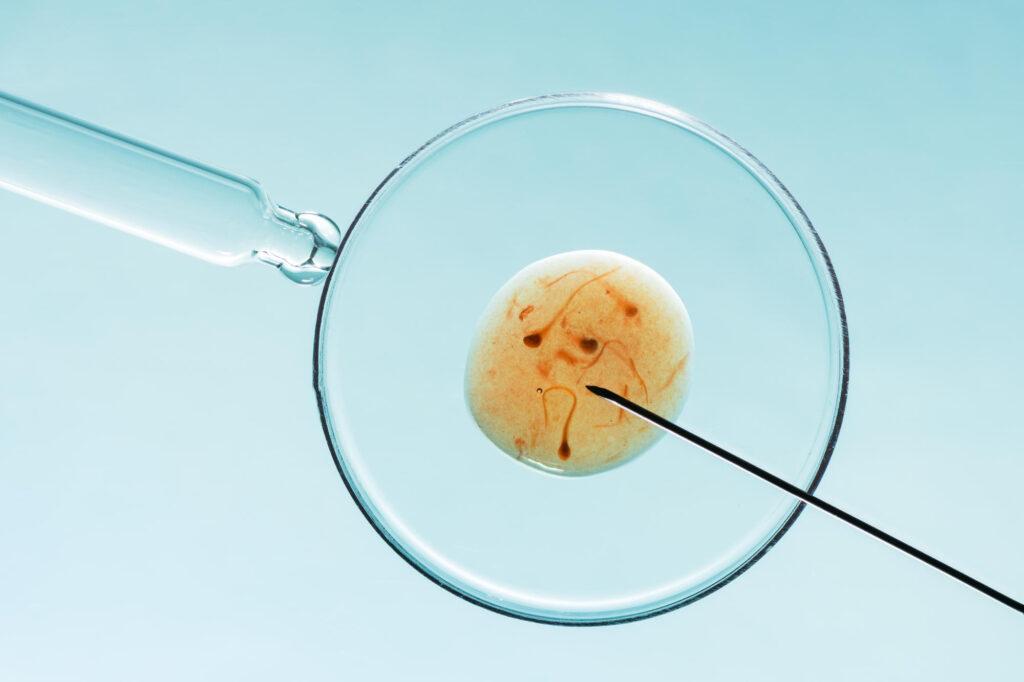
IVF bypasses the fallopian tubes entirely by fertilizing the egg in a laboratory and transferring the embryo into the uterus.
When Only One Tube Is Blocked
If only one fallopian tube is blocked and the other remains healthy, natural conception may still be possible depending on other fertility factors.
Doctors may recommend monitoring ovulation or treatments such as IUI.
Can Fallopian Tube Blockage Be Prevented?
While not all cases can be prevented, some steps may help reduce risk:
- Early treatment of reproductive infections
- Regular gynecological check-ups
- Practicing safe sexual health
- Seeking early fertility evaluation when pregnancy is delayed
Preventive care supports reproductive health and early diagnosis.
Frequently Asked Questions
Can blocked fallopian tubes open naturally?
Minor blockages may sometimes clear, but most cases require medical evaluation and treatment.
Can I get pregnant with blocked fallopian tubes?
If both tubes are blocked, natural conception is unlikely. However, treatments such as IVF can still help achieve pregnancy.
Is surgery always required?
Not always. The treatment approach depends on the cause and severity of the blockage.
Are tubal tests painful?
Most diagnostic procedures such as HSG or SSG may cause mild temporary discomfort but are generally well tolerated.
Conclusion
Blocked fallopian tubes are a common cause of infertility, but several diagnostic tests and treatment options are available to address this condition. Procedures such as HSG Test and SSG Test help identify tubal blockage, while treatments like laparoscopy or IVF provide possible pathways toward pregnancy.
Early fertility evaluation and personalized medical guidance help couples understand their options and choose the most appropriate treatment strategy.
Medical Disclaimer
This content is educational and not a substitute for personalized medical advice. If you have irregular cycles, pain, or concerns about ovulation, consult a qualified clinician. For tailored guidance in Mylapore or K. K. Nagar, contact Kanaa Fertility Centre.