
Introduction
IUI is a simpler fertility treatment where prepared sperm is placed directly into the uterus during ovulation, while IVF involves fertilizing eggs with sperm in a lab and transferring an embryo into the uterus. IUI is often recommended for mild fertility issues and younger couples, while IVF is usually advised for complex infertility, advanced age, tubal problems, severe male factor infertility, or after failed IUI cycles.
When couples start exploring fertility care, two of the most common treatments they hear about are IUI and IVF. Both are widely used and effective, but they differ significantly in how they work, who they are recommended for, and what outcomes couples can expect.
One of the most common questions couples ask is:
“Should we try IUI first or move directly to IVF?”
The right answer depends on factors such as age, fertility test results, diagnosis, duration of infertility, and previous treatment history. This guide explains IVF vs IUI in a clear and beginner-friendly way so couples can understand which option may be appropriate and why.
What Is IUI?
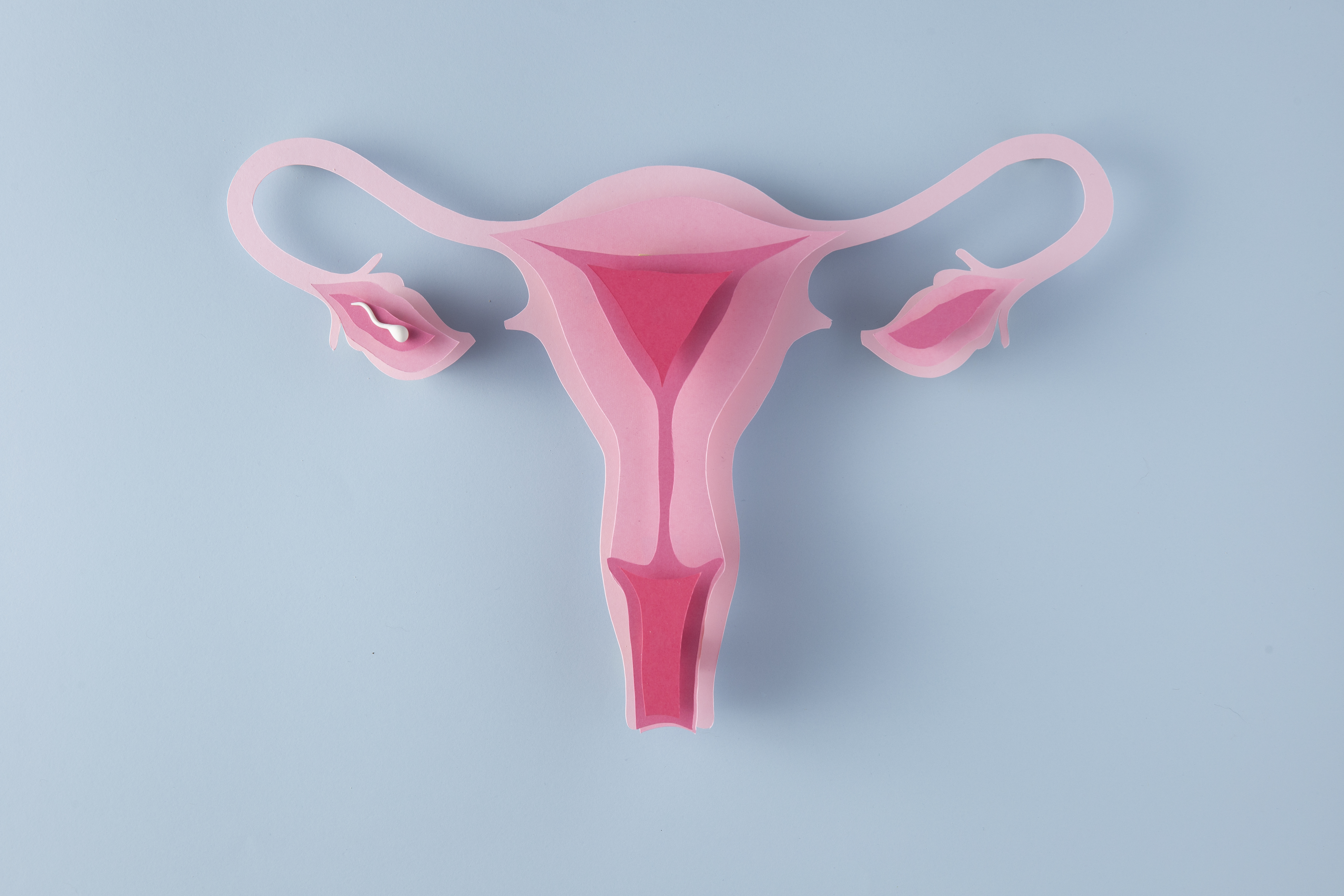
IUI (Intrauterine Insemination) is a fertility treatment where sperm is processed and placed directly into the uterus around the time of ovulation. It is often combined with ovulation induction to improve timing and success.
IUI is considered less invasive and is often recommended as an early fertility treatment option.
What Is IVF?
IVF (In Vitro Fertilization) is a fertility treatment where eggs are retrieved from the ovaries, fertilized with sperm in a lab, and an embryo is transferred into the uterus. IVF is an assisted reproductive technology (ART) used for both mild and complex infertility cases.
IVF also includes advanced options like ICSI, embryo freezing, and frozen embryo transfer.
IVF vs IUI: Key Differences
Below are the main differences between IUI and IVF that influence treatment choice.
1. How the Treatment Works
IUI:
- Fertilization happens inside the body
- Sperm is placed in the uterus to improve sperm delivery
IVF:
- Fertilization happens in the lab
- Embryos are created and transferred to the uterus
2. Invasiveness
IUI:
- Minimally invasive
- Usually painless
- No anesthesia required
IVF:
- More involved process
- Includes egg retrieval under sedation
- Requires more monitoring appointments
3. Success Rates
Success rates vary based on age and diagnosis.
IUI success may be higher when:
- Woman is younger
- Fertility issues are mild
- Ovulation induction is used
IVF success may be higher when:
- Fertility issues are complex
- Woman is older
- Male factor infertility is severe
- Tubes are blocked
4. When Each Treatment Is Recommended
IUI is often recommended for:
- Mild male factor infertility
- Unexplained infertility
- Ovulation issues (with induction)
IVF is often recommended for:
- Blocked fallopian tubes
- Severe male factor infertility
- Low ovarian reserve
- Endometriosis
- Advanced maternal age
- Failed IUI cycles
5. Cost and Treatment Burden
IUI:
- Lower cost per cycle
- Fewer medications
- Less physically demanding
IVF:
- Higher cost per cycle
- Requires injections and monitoring
- More comprehensive laboratory work
However, repeated IUI cycles can also add up financially. Doctors help couples decide based on effectiveness and timeline.
Which Treatment Should You Choose? (Medical Decision Guide)
When IUI May Be the Right First Step
Doctors may recommend IUI first when:
- Fallopian tubes are open
- Sperm parameters are mild to moderately affected
- Ovulation can be stimulated and monitored
- The woman is younger and ovarian reserve is good
- Infertility duration is relatively short
Before IUI, doctors recommend fertility testing for both partners.
When IVF May Be a Better Choice
IVF is often recommended as the first or next option when:
- Tubes are blocked (IUI will not work)
- Severe male infertility is present
- Age-related decline is a concern
- Ovarian reserve is low
- Previous IUI cycles have failed
- Fertility issues are complex
IVF offers better control over fertilization and embryo selection.

IVF vs IUI by Age: Why Age Changes the Recommendation
Age is one of the biggest factors in treatment selection.
Under 35:
- IUI may be tried first if diagnosis is mild
- IVF is recommended if factors are severe
35–38:
- Fewer IUI attempts may be advised
- IVF may be recommended sooner
Over 38:
- IVF is often advised earlier due to egg quality and ovarian reserve decline
Doctors may use ovarian reserve testing (like AMH) to guide treatment decisions.


How Many IUI Cycles Before IVF?
Many specialists recommend:
- 3–4 IUI cycles for women under 35
- 2–3 IUI cycles for women over 35
If pregnancy does not occur within these cycles, IVF is often recommended because IUI success typically decreases with repeated attempts.
IVF vs IUI for Male Infertility
If semen analysis shows mild male infertility, IUI may still be suitable.
However, IVF with ICSI may be recommended when:
- Sperm count is very low
- Motility is poor
- Morphology is severely abnormal
Sperm retrieval is required
IVF vs IUI for PCOS and Irregular Ovulation
Women with PCOS often start with:
- Ovulation induction
- Timed intercourse or IUI
IVF may be recommended if:
- IUI cycles are unsuccessful
- Additional fertility factors are present
- Egg quality or age-related concerns exist
Emotional Considerations: Which Treatment Feels Right?
Fertility treatment is not only medical it is also emotional.
IUI may feel easier because it:
- Is less invasive
- Has less intense medical involvement
IVF may provide clarity because it:
- Offers higher success in many cases
- Reduces uncertainty after repeated failures
Couples often benefit from emotional support and clear discussion with their fertility specialist.
Common Questions About IUI Success Rate (AEO Section)
Is IVF always better than IUI?
Not always. IUI is effective for many couples with mild fertility issues. IVF is usually recommended for complex cases or after failed IUI.
Can couples skip IUI and go directly to IVF?
Yes, especially when age is advanced, ovarian reserve is low, tubes are blocked, or male infertility is severe.
Is IUI safer than IVF?
Both are safe when performed under medical supervision. IVF is more involved, but complications are minimized through careful monitoring.
Does IVF guarantee pregnancy?
No. IVF improves chances but does not guarantee pregnancy. Success depends on age, embryo quality, and reproductive health.
Conclusion
IUI and IVF are both effective fertility treatments, but the right choice depends on the couple’s fertility diagnosis, age, and treatment goals. IUI is often recommended for mild fertility issues and as an early step, while IVF is recommended for complex infertility, tubal issues, severe male factor infertility, low ovarian reserve, or after failed IUI cycles.
A fertility specialist can guide couples through testing, explain which treatment is most appropriate, and recommend a personalized plan designed to maximize safety and success
Medical Disclaimer
This content is educational and not a substitute for personalized medical advice. If you have irregular cycles, pain, or concerns about ovulation, consult a qualified clinician. For tailored guidance in Mylapore or K. K. Nagar, contact Kanaa Fertility Centre.