
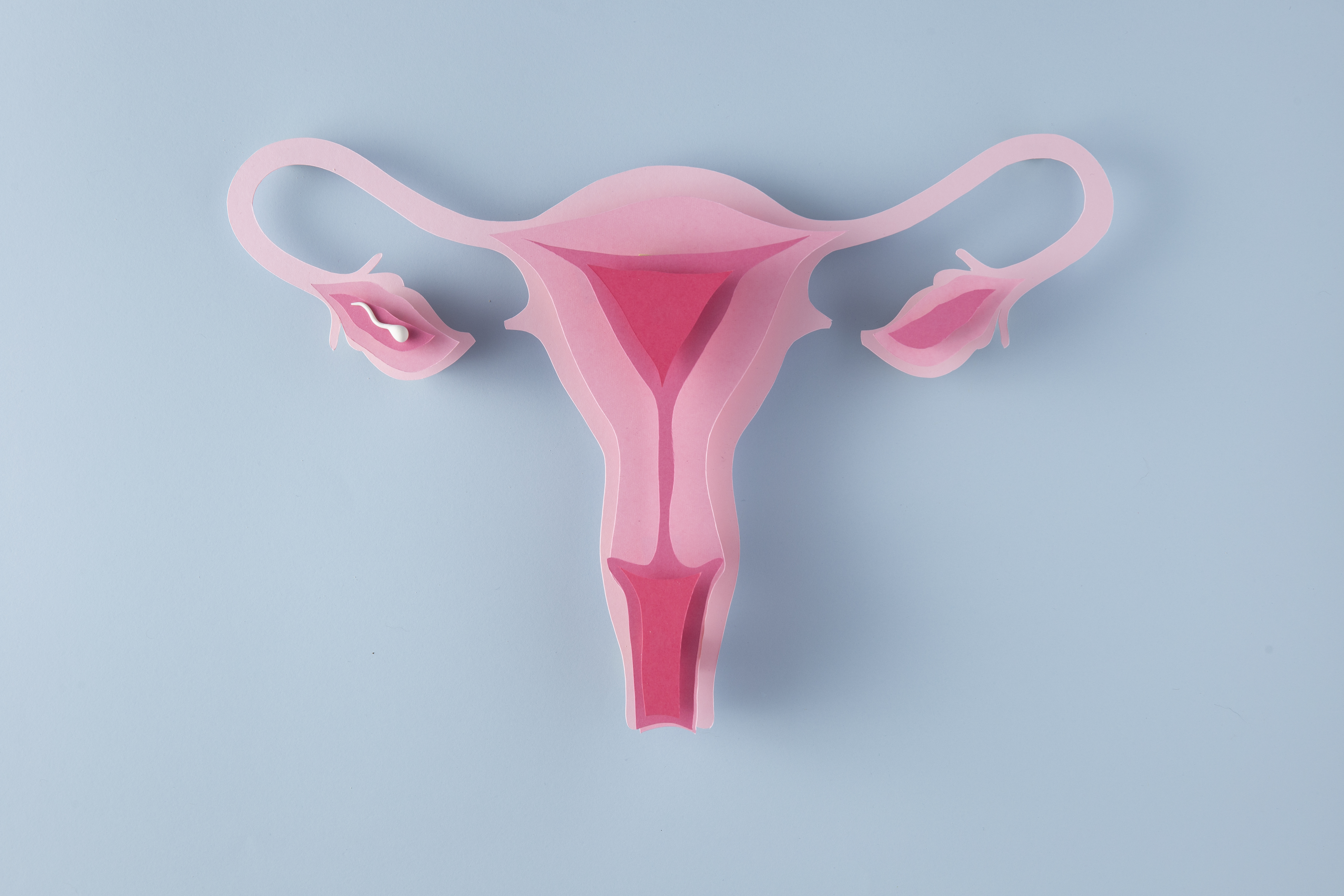
Introduction
Signs that ovulation induction is working include the growth of a mature follicle on ultrasound, hormonal changes in blood tests, and ovulation symptoms such as mild pelvic discomfort or increased cervical mucus. Doctors confirm ovulation induction success through ultrasound monitoring and hormone testing rather than symptoms alone.
Ovulation induction is one of the most commonly recommended fertility treatments for women who do not ovulate regularly or predictably. It is often used for conditions such as PCOS, hormonal imbalance, and unexplained infertility and is frequently combined with IUI treatment or timed intercourse.
After starting ovulation induction, many women naturally ask:
“How do I know if ovulation induction is working?”
While some women experience physical symptoms, the most reliable confirmation comes from clinical monitoring. This guide explains both medical signs and common body changes that may indicate ovulation induction is effective, and what to do next if results are not as expected.
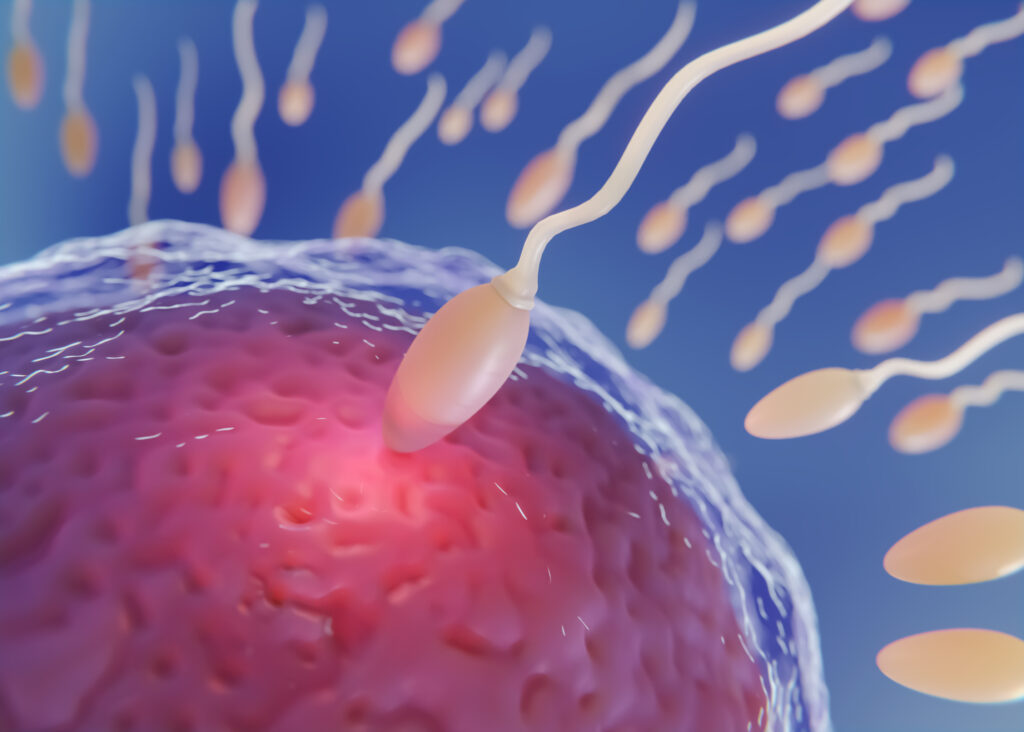
What Does “Ovulation Induction Working” Actually Mean?
Ovulation induction is considered “working” when it successfully leads to:
- Growth of a mature follicle (egg-containing structure)
- Proper hormonal response
- Release of an egg (ovulation)
- Correct timing for conception attempts
The goal is to create a predictable ovulation window, increasing the chances of fertilization through intercourse or assisted treatments like IUI.
The Most Reliable Signs Ovulation Induction Is Working
Mature Follicle Growth Seen on Ultrasound
The strongest sign ovulation induction is working is follicular growth seen on ultrasound monitoring.
Doctors look for:
- A follicle growing steadily during the cycle
- A mature follicle size that indicates ovulation is likely soon
- Healthy uterine lining (endometrium) thickness
Ultrasound tracking is one of the main reasons ovulation induction has better success than unmonitored fertility medication use.
Hormonal Changes in Blood Tests
Doctors may confirm ovulation induction response through hormonal monitoring.
Key hormone changes include:
- Rising estrogen levels as follicles develop
- LH surge (natural or triggered)
- Progesterone rise after ovulation
Blood tests provide objective confirmation of ovulation rather than relying on symptoms alone.
Ovulation Trigger Response (If Used)
Some ovulation induction cycles include a trigger injection to help finalize egg maturation and release.
Signs the trigger response is effective include:
- Timed ovulation
- Confirmation through ultrasound
Expected hormone changes after the trigger
Common Physical Signs Ovulation Induction May Be Working
Not every woman experiences noticeable symptoms. However, some physical signs may indicate ovulation is approaching or has occurred.
Increased Cervical Mucus (Egg White Discharge)
A common ovulation-related sign is clearer, slippery discharge that resembles egg white. This change may occur as estrogen rises and ovulation approaches.
Mild Pelvic Discomfort (Ovulation Pain)
Some women feel mild cramping or pain on one side of the lower abdomen, known as “mittelschmerz,” around ovulation. This can occur naturally or during stimulated cycles.
Breast Tenderness or Mild Bloating
Hormonal shifts during ovulation induction may cause:
- Breast tenderness
- Mild bloating
- Water retention
These symptoms vary by person and medication type.
Slight Increase in Basal Body Temperature (BBT)
Ovulation can cause a small rise in basal body temperature due to progesterone. However, BBT tracking is less reliable in medicated cycles and should not be used as the only indicator.

Does Feeling No Symptoms Mean Ovulation Induction Isn’t Working?
No. Many women ovulate successfully without noticeable symptoms. The cycle may still be effective even when symptoms are minimal or absent.
This is why monitoring through ultrasound and hormonal testing remains the most reliable method.


How Doctors Confirm Ovulation After Induction
Doctors confirm successful ovulation induction using:
Ultrasound monitoring
Progesterone test (luteal phase confirmation)
Ovulation predictor kits (in some cases)
If ovulation is not confirmed, doctors may adjust medication dosage or recommend different treatment approaches.
What If Ovulation Induction Is Not Working?
How Long Does Ovulation Induction Take to Work?
Ovulation induction works within the cycle, but improvement may take:
- One cycle for response assessment
- 2–3 cycles for optimization
- Several cycles for conception (depending on diagnosis)
Doctors usually reassess after a few cycles to decide whether to continue or escalate treatment.
Ovulation Induction with Timed Intercourse vs IUI
If ovulation induction is working (follicle growth + ovulation confirmed), the next decision is usually whether to continue with timed intercourse or combine it with IUI treatment.
Timed intercourse may be suitable when:
- Sperm parameters are normal
- Tubes are open
- Age is lower and infertility duration is short
IUI may be recommended when:
- There is mild male factor infertility
- Unexplained infertility exists
Timing needs better precision
When Should Couples Move to IVF After Ovulation Induction?
Doctors may recommend moving to IVF when:
- Ovulation induction cycles are well-timed but pregnancy does not occur
- Female age is advanced
- Multiple factors affect fertility
- There is tubal blockage or severe male factor
If treatment response is good but conception does not happen, IVF may provide higher success due to controlled fertilization.
Tips to Improve Chances During Ovulation Induction (Safe, Supportive)
While medical treatment is the core approach, supportive habits may help overall reproductive health:
Attend all monitoring appointments
Follow medication timing carefully
Maintain healthy sleep and nutrition
Reduce excessive stress
Avoid smoking and excessive alcohol
Follow doctor guidance for intercourse timing or IUI scheduling
Lifestyle support can complement treatment but does not replace medical evaluation.
Frequently Asked Questions (FAQ)
How do I know if ovulation induction worked?
The most reliable confirmation is ultrasound monitoring showing mature follicle development and hormone testing confirming ovulation.
Can ovulation induction work without symptoms?
Yes. Many women ovulate without noticeable symptoms, especially during medicated cycles.
Does a positive ovulation test mean induction worked?
An ovulation predictor kit may suggest ovulation is approaching, but ultrasound and hormone tests provide more accurate confirmation.
Is ovulation induction the same as IVF?
No. Ovulation induction helps stimulate ovulation. IVF involves egg retrieval and lab fertilization.
Conclusion
Signs that ovulation induction is working include mature follicle growth on ultrasound, expected hormonal changes in blood tests, and sometimes ovulation-related symptoms such as increased cervical mucus or mild pelvic discomfort.
However, the most accurate way to confirm ovulation induction success is through clinical monitoring rather than symptoms alone. A fertility specialist can guide treatment adjustments and recommend next steps such as timed intercourse, IUI, or IVF based on response and fertility goals.
Medical Disclaimer
This content is educational and not a substitute for personalized medical advice. If you have irregular cycles, pain, or concerns about ovulation, consult a qualified clinician. For tailored guidance in Mylapore or K. K. Nagar, contact Kanaa Fertility Centre.