

Introduction
Ovulation induction works by using fertility medications to stimulate the ovaries to release one or more mature eggs during a menstrual cycle. The process involves hormonal evaluation, medication use, ovulation monitoring, and timed intercourse or assisted fertility procedures such as IUI or IVF to improve the chances of pregnancy.
Ovulation induction is commonly recommended for women who do not ovulate regularly or predictably. It is one of the most widely used approaches in modern fertility treatments, especially for conditions such as PCOS, hormonal imbalance, and unexplained infertility.
Understanding how ovulation induction works helps patients feel more confident, reduces anxiety, and allows informed decision-making before starting treatment.

What is Ovulation Induction
Ovulation induction is a fertility treatment that stimulates the ovaries to produce and release eggs using carefully prescribed medications. The goal is to restore or improve ovulation so that fertilization can occur naturally or with assisted methods.
Ovulation induction is recommended only after proper fertility evaluation confirms that it is safe and appropriate.

Why Ovulation Induction Is Recommended
Doctors may suggest ovulation induction when:
- Ovulation is irregular or absent
- Hormonal imbalances affect egg release
- Conditions such as PCOS are present
- Pregnancy has not occurred despite regular cycles
- Assisted fertility procedures are planned
It is often used as a first-line treatment before moving to advanced options.
How Ovulation Induction Works - Step by Step
Step 1: Fertility Evaluation
Before starting ovulation induction, doctors perform fertility tests for women to understand hormonal levels, ovarian reserve, and cycle patterns. This ensures treatment is personalized and safe.
Step 2: Ovulation Induction Medication
Based on test results, fertility medications are prescribed to stimulate the ovaries. These medications help the ovaries mature and release eggs.
The type and dosage of medication vary depending on age, diagnosis, and previous response to treatment.
Step 3: Monitoring Ovulation
Ovulation induction requires close monitoring through:
- Ultrasound scans
- Hormonal blood tests
Monitoring helps doctors determine how the ovaries are responding and reduces the risk of complications such as multiple pregnancy.
Step 4: Timing Intercourse or Assisted Procedures
Once ovulation is confirmed, doctors advise:
- Timed intercourse
- Or assisted procedures such as IUI treatment
Correct timing significantly improves the chances of conception.
Step 5: Follow-Up and Outcome Assessment
After ovulation, doctors monitor the cycle outcome and guide patients on next steps. If pregnancy does not occur, treatment plans may be adjusted or repeated.
Ovulation Induction With IUI
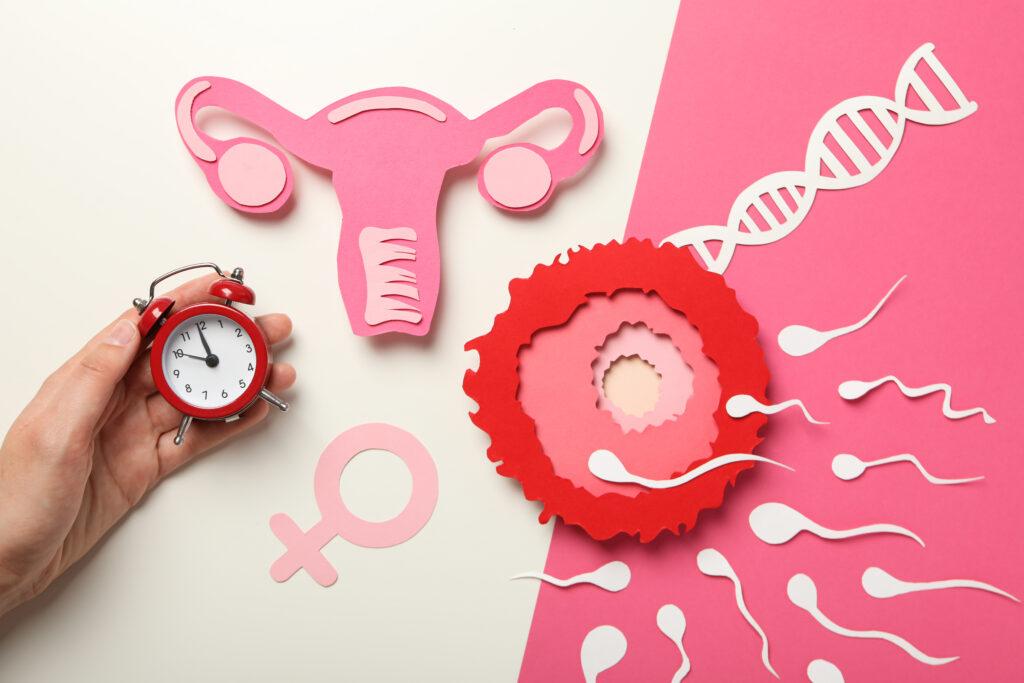
Ovulation induction is frequently combined with IUI to improve pregnancy chances. While ovulation induction ensures egg release, IUI places prepared sperm directly into the uterus at the right time.
This combination is commonly recommended for:
- Mild male infertility
- Unexplained infertility
Cervical factors affecting conception

Ovulation Induction With IVF
In IVF, ovulation induction is used to stimulate the ovaries to produce multiple eggs. These eggs are retrieved and fertilized in a laboratory to form embryos.
Ovulation induction plays a critical role in IVF success by increasing the number of eggs available for fertilization.
How Long Does Ovulation Induction Take?
Ovulation induction usually begins early in the menstrual cycle and continues for a few days to a couple of weeks, depending on medication and response.
Doctors tailor the duration based on individual fertility factors and treatment goals.
Benefits of Ovulation Induction
Ovulation induction offers several advantages:
- Helps regulate ovulation
- Improves chances of natural or assisted conception
- Can be combined with IUI or IVF
- Less invasive than advanced fertility treatments
For many women, it serves as an effective starting point in fertility care.
Risks and Limitations
While generally safe, ovulation induction may carry some risks, including:
- Ovarian hyperstimulation (rare with proper monitoring)
- Multiple pregnancy
- Cycle cancellation if response is inadequate
Doctors minimize risks through individualized treatment and careful monitoring.
Common Questions About How Ovulation Induction Works
Is ovulation induction painful?
Ovulation induction itself is not painful. Some women may experience mild side effects related to medication.
Does ovulation induction guarantee pregnancy?
No. Ovulation induction improves the chances of conception but does not guarantee pregnancy.
When should couples move to IUI or IVF?
Doctors may recommend IUI or IVF if ovulation induction alone does not result in pregnancy or if additional fertility factors are present.
Conclusion
Understanding how ovulation induction works helps patients approach fertility treatment with clarity and confidence. By stimulating ovulation and optimizing timing, ovulation induction can significantly improve the chances of conception, either naturally or with assisted fertility procedures.
A fertility specialist can determine whether ovulation induction is the most appropriate option based on individual fertility evaluation and goals
Medical Disclaimer
This content is educational and not a substitute for personalized medical advice. If you have irregular cycles, pain, or concerns about ovulation, consult a qualified clinician. For tailored guidance in Mylapore or K. K. Nagar, contact Kanaa Fertility Centre.