
HSG (Hysterosalpingogram)
Best HSG Test Centre in Chennai
Kanaa Fertility Centre is one of the top-rated clinics in Chennai providing hsg test and complete hsg test process. Our team of experts helps patients interested in knowing what is hsg test or the benefits of hsg test before fertility treatment. Book Now!
What is HSG?
A hysterosalpingogram is an x-ray procedure to assess the uterine cavity and patency of the fallopian tubes. It is done between day 3 to day 10 of the menstrual cycle
Procedure
The patient is made to lie down in the x-ray room and the genital parts are cleaned with antiseptic solution and draped.
A speculum is inserted to visualise the cervix and a thin metal tube is inserted into the uterine cavity.
A radio opaque dye is injected through this and the x-ray is taken. This procedure helps in the diagnosis of any abnormality in the shape of the uterus or if there is any block in the fallopian tubes.
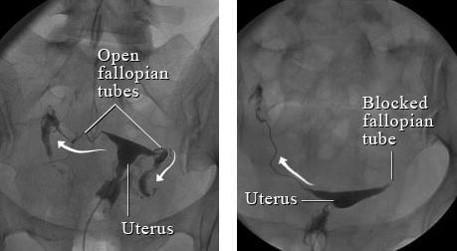
HSG (Hysterosalpingography) is a diagnostic imaging test used to evaluate the uterus and fallopian tubes. It helps doctors determine whether the fallopian tubes are open and whether the uterus has structural abnormalities that may affect fertility. HSG is commonly recommended during fertility evaluation before treatments such as IUI or IVF.
Introduction
When couples experience difficulty conceiving, identifying the underlying cause is an important first step. One of the most commonly recommended diagnostic procedures in fertility evaluation is the HSG test, also known as Hysterosalpingography.
The HSG test helps doctors examine the uterus and fallopian tubes using X-ray imaging. Because healthy fallopian tubes are essential for natural conception, this test provides valuable insight into whether the tubes are open or blocked.
Understanding how the HSG test works and why it is recommended can help patients feel more prepared during the fertility evaluation process.
What Is an HSG Test?
An HSG test (Hysterosalpingography) is an X-ray procedure used to examine:
- The shape of the uterus
- The openness of the fallopian tubes
- Possible blockages or abnormalities affecting fertility
During the test, a contrast dye is injected into the uterus. As the dye flows through the uterus and fallopian tubes, X-ray images capture whether the tubes are open and functioning normally.
Doctors often recommend this test during infertility evaluation to identify conditions that may prevent pregnancy.
Why Is the HSG Test Done?
The HSG test is primarily used to evaluate female fertility and identify possible causes of infertility.
Doctors may recommend an HSG test to:
- Check if fallopian tubes are blocked
- Evaluate uterine abnormalities
- Investigate repeated pregnancy loss
- Assess fertility before assisted reproductive treatments
- Diagnose structural issues that may affect implantation
The results help fertility specialists decide the most appropriate treatment approach.
When Is an HSG Test Recommended?
An HSG test is commonly recommended when:
- Pregnancy has not occurred after 12 months of trying
- A woman has irregular menstrual cycles
- There is suspected tubal blockage
- Previous pelvic infections may have affected the fallopian tubes
- Doctors are evaluating infertility before treatment
This test is often part of a comprehensive fertility assessment.
How the HSG Test Procedure Works
Step 1: Scheduling the Test
The HSG test is usually scheduled after menstruation but before ovulation. This timing ensures that pregnancy is not present during the procedure.
Step 2: Preparing for the Test
Patients may be advised to:
- Avoid intercourse before the test
- Take prescribed medication if recommended
- Inform the doctor about allergies or infections
Preparation helps ensure the test is performed safely.
Step 3: Performing the Procedure
During the HSG test:
- A speculum is inserted into the vagina
- A small catheter is placed through the cervix
- Contrast dye is gently injected into the uterus
- X-ray images are taken as the dye moves through the uterus and fallopian tubes
If the tubes are open, the dye flows freely into the abdominal cavity.
Step 4: Test Duration
The entire procedure usually takes 10–20 minutes and is performed as an outpatient diagnostic test.
What Do HSG Test Results Mean?
Normal Results
If the fallopian tubes are open and the uterus appears normal, natural conception may still be possible depending on other fertility factors.
Blocked Fallopian Tubes
Blocked tubes prevent sperm from reaching the egg. If blockage is identified, doctors may recommend further evaluation or assisted treatments.
Uterine Abnormalities
The test may reveal structural issues such as:
- Fibroids
- Polyps
- Scar tissue
- Uterine shape abnormalities
Further procedures such as Hysteroscopy may be recommended for treatment.
Is the HSG Test Painful?
Most women experience mild discomfort similar to menstrual cramps during the procedure. The discomfort usually lasts only a short time and subsides soon after the test.
Doctors may recommend mild pain relief medication before the procedure to improve comfort.
Risks and Safety
The HSG test is generally considered safe. However, as with any medical procedure, small risks may exist.
Possible risks include:
- Mild infection
- Temporary spotting
- Allergic reaction to contrast dye (rare)
Your fertility specialist will review medical history to ensure the test is appropriate.
HSG vs Other Fertility Tests
Several diagnostic procedures evaluate female fertility. Each test provides different insights.
Test | Purpose |
HSG | Checks fallopian tube blockage |
SSG | Ultrasound-based tubal evaluation |
Hysteroscopy | Direct examination of uterus |
Laparoscopy | Surgical evaluation of pelvic organs |
Doctors choose the appropriate test based on individual medical history.
Can HSG Improve Fertility?
In some cases, the contrast dye used during the procedure may flush minor debris from the fallopian tubes. While this is not guaranteed, some patients experience improved fertility shortly after the test.
However, the primary purpose of the HSG test is diagnosis, not treatment.
Who Should Get an HSG Test?
HSG test is an important diagnostic tool for many people who experience fertility issues. Some of the most common reasons that couples opt for the hsg test procedure include:
- Women who need to verify the status of their uterus and fallopian tubes prior to treatment.
- Women who desire to establish a normal hsg or normal hysterosalpingogram post-surgery or treatment.
- Women with pelvic infection history or pelvic surgery history.
- Women who have had recurrent pregnancy loss.
- Women who cannot get pregnant and need to determine how to know fallopian tubes are blocked.
- Women undergoing IVF or other fertility procedures who require a defined hsg test process first.
Women whose physicians require detailed imaging with the latest hsg instrument.
Benefits of HSG Test
A hsg test or hysterosalpingogram is an imaging test that helps assess a woman’s uterus and fallopian tubes. During the procedure of the hsg test, a contrast agent is injected with a soft hsg instrument to produce close-up X-ray pictures. This enables physicians to view if the tubes are open and if the shape of the uterus is normal.
This test delivers essential information regarding fertility health prior to procedures such as IVF. Having knowledge of the outcome of a normal hsg or a normal hysterosalpingogram can detect early structural problems, demonstrate how to know fallopian tubes are blocked, and direct the most effective treatment plan for every individual.

HSG Test: Unlocking Insights for Better Fertility
The hsg test has multiple advantages for women who are searching for fertility options:
- Aids in identifying obstructions or uterine and fallopian tube structural problems.
- Offers easy-to-follow hsg test process to ensure future fertility treatment guidance.
- Normal hsg or normal hysterosalpingogram assures patients with healthy reproductive system anatomy.
- Utilizing an advanced hsg instrument guarantees precise and comprehensive outcomes.
Timely identification of problems allows couples to make an informed choice and schedule IVF or other treatment effectively.
Treatment Steps for HSG
Consultation
Preparation
Imaging
Assessment
Counselling
Get Accurate HSG Results In Our Clinic
Kanaa Fertility Center possesses a strong reputation for offering precise and trustworthy hsg test and hsg test procedure treatments. Selecting our clinic is equal to selecting high-skilled care every step of the way—from consultation to imaging and interpretation of the results.
We know how stressful fertility testing can be, so we ensure patient comfort, clear discussion, and support throughout the hsg test process. Our staff ensures each hsg test for female patient is informed, supported, and confident in her fertility journey.
FAQs
When would a HSG be needed?
The most common reason for Hsg is to evaluate subfertility/infertility or repeat miscarriages .The main purpose of HSG is to evaluate for blockages of the fallopian tubes and it also provides information about the uterine cavity such as shape and presence of scaring, and also if there are any adhesions or scaring in the pelvis. There are other less complicated and more complete studies now available and can be done to study the uterus. HSG is mainly used to study the fallopian tubes.
Is a Hysterosalpingogram painful?
Mild pain or discomfort is common with HSG both during and afterward. Any pain or discomfort is usually brief and if needed pain relievers are prescribed to reduce it.
Can an HSG exam open blocked tubes?
HSG is originally an established diagnostic test to check Fallopian tube blockage. However the act of introducing the contrast in to the fallopian tube provides a therapeutic effect by flushing out debris and mucus that may be limiting free passage.
When is HSG not done?
HSG is not done if you
- Are pregnant
- Have a pelvic infection
- Have uterine bleeding at the time of procedure
What are the risks associated with HSG?
- Mild abdominal cramping
- Radiation exposure
- Iodine allergy
- Infection
- Spotting
What are the alternatives to HSG?
Laparoscopy , Hysteroscopy, Sonohysterography and Sonohysterosalpingography.
Your doctor can suggest and guide you to the best suited test for you after evaluating the need.
How can I improve my sperm count and motility?
A few measures which may help are:
- Avoid Hot water baths, wearing tight underwear at home, using laptop directly on lap, etc. which can increase the temperature of the scrotum.
- Drink plenty of fluids.
- Have a healthy diet.
- Stop smoking.
- Avoid excessive alcohol intake
- Try to reduce mental stress
- Maintain normal body weight
How should I prepare for an HSG?
Fasting: Usually, no fasting is required. You can eat and drink normally unless your doctor advises otherwise.
Medications: A mild pain reliever or antispasmodic may be recommended 30–60 minutes before the procedure to reduce cramping. Sometimes antibiotics are prescribed to prevent infection.
Timing: The HSG is best done between day 7–10 of your menstrual cycle (after bleeding stops but before ovulation) to avoid interference with an early pregnancy.
How long does an HSG procedure take?
The HSG itself usually takes 10–20 minutes, though you may spend about an hour at the clinic including preparation and recovery. Most women can resume normal activities immediately after the test.
Will I have cramping or discomfort after HSG?
Mild cramping, bloating, or spotting is common during and shortly after the test. These symptoms usually settle within a few hours. Over-the-counter pain relievers and rest help ease discomfort. Severe pain, heavy bleeding, or fever should be reported to your doctor immediately.
Can HSG detect all causes of infertility?
No. HSG is mainly used to check blocked fallopian tubes and the shape of the uterus. It cannot detect conditions like endometriosis, ovarian reserve issues, or hormonal problems. Depending on results, further fertility tests may be needed.
Can I get pregnant immediately after an HSG?
Yes. In fact, some women may experience a slight boost in fertility right after the procedure due to a “tubal flushing effect,” where the dye clears minor mucus plugs or debris in the tubes. You can try conceiving in the same cycle unless advised otherwise by your doctor.
Is HSG safe during pregnancy?
No. HSG should not be performed if you are pregnant, as the contrast dye and X-rays can harm the developing embryo. This is why the test is timed early in the menstrual cycle, before ovulation.
Is HSG required before IVF?
Not always, but it is often recommended during fertility evaluation to check tubal health before treatment.
Can I get pregnant after an HSG test?
Some women conceive naturally after the test if minor blockages are cleared.
How long does the HSG test take?
The procedure usually takes 10–20 minutes.
When can normal activities resume?
Most patients return to normal activities shortly after the procedure.